Why Cyprus Is Divided Into North and South – And Why Northern Cyprus Is Gaining Attention Today
The Mediterranean island of Cyprus may be small in size, but it has one of the most complex political and historical structures in the region. To this day, Cyprus is effectively divided into a northern and a southern part. This situation raises many questions among Europeans and international readers: How did this division come about? Why do two separate administrative systems exist on one island? And what role does Northern Cyprus play today, especially in terms of economic development and investment potential?
This article presents widely accepted historical facts in a neutral and factual manner, without political judgment or taking sides, while also taking a clear look at the present-day reality and future prospects of Northern Cyprus.
Historical Background: Two Communities on One Island
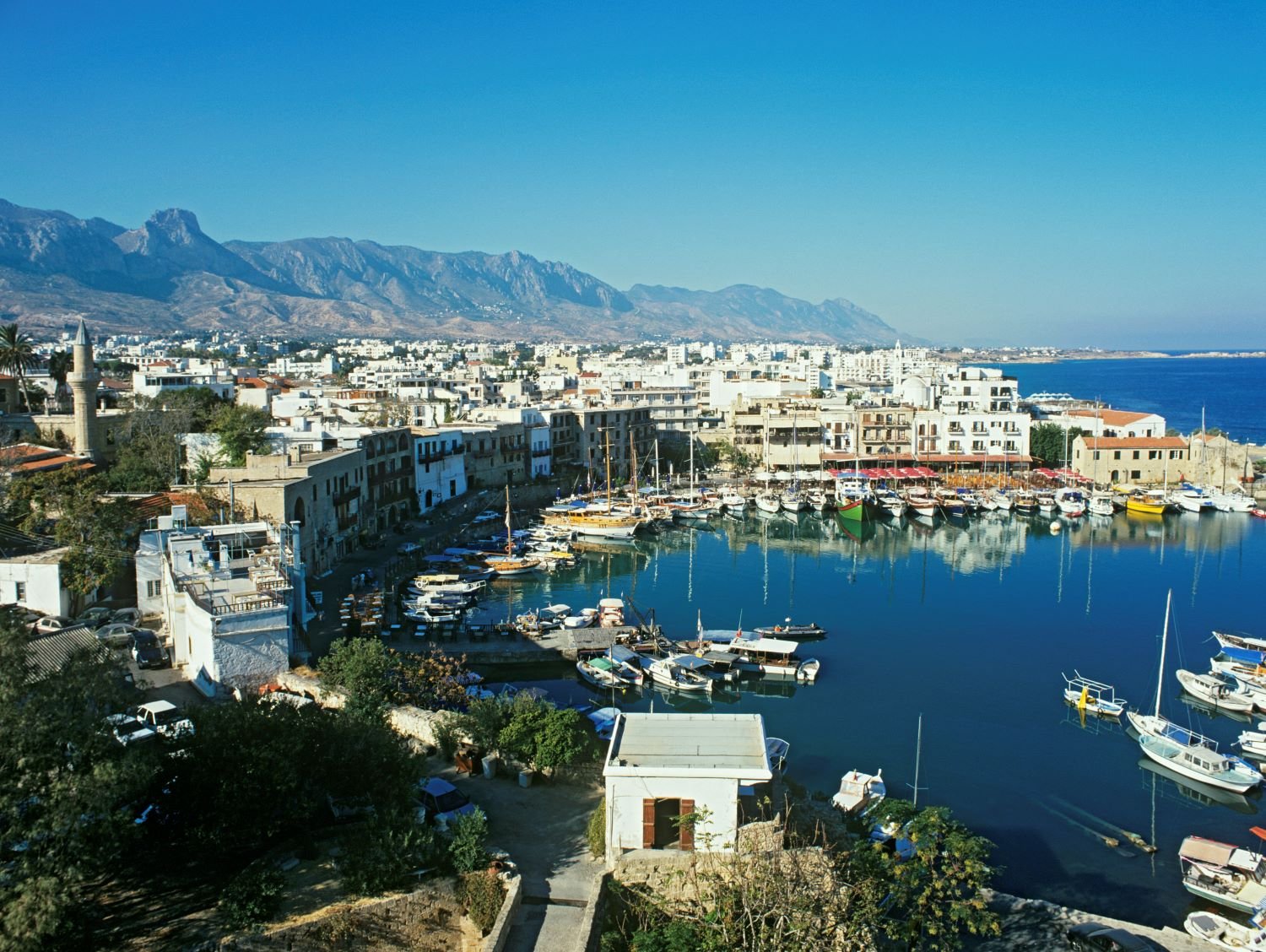
For centuries, Cyprus was part of different empires and cultural spheres. Over time, two main communities developed on the island: Greek-speaking Cypriots and Turkish-speaking Cypriots. Both groups lived side by side for generations, each with its own cultural, religious, and social traditions.
After the end of British colonial rule, Cyprus became an independent republic in 1960. The newly formed state was based on a complex system of power-sharing between the two communities. The goal was to create political balance and ensure participation for both groups within a single constitutional framework.
Political Tensions After Independence
In the years following independence, political tensions increased. Differing visions regarding the future direction of the country led to institutional deadlock, growing mistrust, and periodic outbreaks of violence.
The political system proved difficult to manage in practice, and cooperation between the two communities steadily deteriorated. Although international mediation efforts helped stabilize the situation at times, a lasting and comprehensive solution was not achieved.
The Events of 1974 and the De Facto Division of the Island
A decisive turning point in Cyprus’s history occurred in 1974. Political upheaval on the island was followed by a military intervention by Turkey in the northern part of Cyprus. As a result, the island was effectively divided into two separate territories.
A buffer zone supervised by the United Nations, often referred to as the “Green Line,” was established and continues to run across the island today. This line marks the de facto boundary between Northern and Southern Cyprus.
One Island, Two Administrative Systems
In the south, the internationally recognized Republic of Cyprus continues to exist and is a member of the European Union. In the north, the Turkish Republic of Northern Cyprus was proclaimed in 1983, developing its own political, legal, and economic systems.
Although Northern Cyprus is internationally recognized only to a limited extent, it operates with functioning public institutions, its own legal framework, a stable administration, and an independent economy. Daily life for residents and visitors is well organized and generally considered safe.
The Role of the United Nations and International Efforts
Since the division, international organizations have played an active role in monitoring and mediation. Numerous negotiation rounds have aimed to achieve a comprehensive settlement for the island. Despite periods of progress, no final agreement has yet been reached.
At the same time, a pragmatic reality has emerged over decades. The two parts of the island coexist with open crossing points, economic interaction, and a relatively stable status quo that allows everyday life and economic activity to continue.
Northern Cyprus Today: Stability, Development, and Quality of Life
In recent years, Northern Cyprus has increasingly established itself as an independent economic and living environment. The region has benefited from investment in infrastructure, tourism, education, and real estate development. Internationally oriented universities attract students from many countries, and the tourism sector continues to grow steadily.
Living costs remain moderate compared to many EU countries, the climate is mild throughout the year, and the natural landscape ranges from beaches and mountains to historic cities. These factors make Northern Cyprus attractive to expatriates, digital nomads, and long-term residents alike.

Economic Outlook and Investment Potential
Northern Cyprus remains in a phase of development, which also creates opportunities. The real estate market, particularly in coastal areas and emerging regions, has drawn increasing international interest. Infrastructure projects, renewable energy initiatives, and tourism-related investments continue to stimulate economic activity.
Many observers view Northern Cyprus as a market with long-term potential, supported by its strategic location in the eastern Mediterranean and its comparatively moderate price levels.
Looking Ahead
The division of Cyprus is the result of historical processes and political events that evolved over several decades. At the same time, present-day Northern Cyprus demonstrates stability, livability, and forward-looking development.
Independent of political debates, Northern Cyprus offers tangible prospects for living, working, studying, and investing. The region combines Mediterranean quality of life with economic growth potential, making it increasingly attractive to international audiences.